Fractures & Dislocations
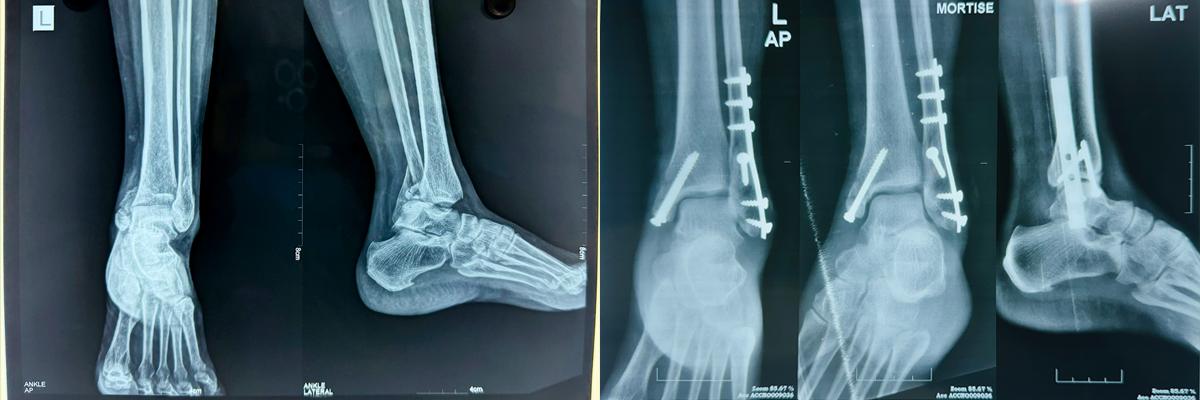
Understanding Fractures, Emergency Response, and Orthopaedic Treatment Options
14 Key Facts About Bone Fractures
1. Fracture Means a Break in the Bone
A Fracture refers to a partial or complete break in a bone, which can range from minor hairline cracks to severe shattering of the bone structure.
2. Caused by Various Types of Trauma
Fractures typically occur due to falls, road traffic accidents, sports injuries, or high-impact trauma. Even trivial injuries like falling from a bed can lead to fractures in individuals with weak bones.
3. Pain, Swelling, and Deformity Are Common Symptoms
Symptoms of a fracture include intense pain, visible swelling, deformity, and inability to move or bear weight—especially if the fracture affects the lower limbs.
4. First Aid: Immobilise and Apply Ice
Immediate care for a suspected fracture includes temporary splinting, keeping the limb immobile, and applying cold packs until professional medical assistance is available.
5. Closed vs. Open Fractures
Fractures can be closed (skin intact) or open/compound (bone breaks through the skin). Open fractures require urgent medical care due to the risk of infection and soft tissue damage.
6. Fractures Can Damage Surrounding Tissues
In addition to bone injury, fractures can cause damage to muscles, skin, blood vessels, and nerves, which may complicate healing and require a broader treatment approach.
7. Vascular Injury Is a Surgical Emergency
If a fracture injures nearby blood vessels, it becomes a limb-threatening emergency. Lack of blood flow for more than 6–12 hours can result in amputation if not treated urgently.
8. Severe Fractures Can Cause Internal Bleeding
Long bone fractures (like the femur) or multiple fractures can lead to massive internal blood loss, resulting in shock, which requires immediate stabilization.
9. Spinal Fractures Can Lead to Paralysis
Significant trauma to the spine can cause bone fragments to press on the spinal cord or nerves, potentially resulting in partial or complete paralysis of the limbs.
10. Treatment Depends on Fracture Type and Severity
Treatment options for closed fractures may include splints, plaster casting, or surgical fixation, depending on alignment, displacement, and overall bone stability.
11. Open Fractures and Polytrauma Require Institutional Care
Severe injuries, especially open fractures, multiple fractures, or vascular damage, demand multidisciplinary care in a hospital setting, often involving staged surgeries and rehabilitation.
12. Types of Surgical Fixation Techniques
Surgical options include:
K-Wire fixation
Bone plating
Interlocking nails
- Cabling techniques
Each technique is chosen based on the fracture’s location, complexity, and Patient health.
13. Know Where to Go for Treatment
Small bone, closed fracture: A local Orthopaedic Clinic may suffice.
Large bone, open fracture, spine injury, or accident-related trauma: Visit a specialised Orthopaedic or trauma care hospital immediately.
14. Avoid Native or Unproven Treatments
Seeking treatment from quacks, traditional healers, or using harmful methods like massaging, coin application, or unscientific splints can cause long-term damage, deformity, or infection. Always consult a qualified Orthopaedic Surgeon for fracture care.