Sports Injuries
Understanding, Treating & Recovering from Common Athletic Injuries
8 Key Facts About Sports Injuries
1. Damage to Cartilage, Ligaments & Meniscus
Sports injuries often affect key joint structures like the cartilage, ligaments, and meniscus, especially in active individuals and athletes across all age groups.
2. Knee, Shoulder & Ankle Are Most Commonly Injured
The most frequently injured areas in sports are the knee, shoulder, and ankle joints, due to their extensive movement, load-bearing nature, and rotational stress during physical activity.
3. Mild Injuries Heal with Conservative Treatment
If the injury is mild to moderate, it can often be treated with rest, anti-inflammatory medication, and physiotherapy, avoiding the need for surgery.
4. Severe Injuries May Require Surgical Intervention
In cases of ligament tears, cartilage damage, or joint instability, surgical treatment may be necessary to restore function and prevent long-term disability.
5. Arthroscopic Surgery Is the Preferred Option
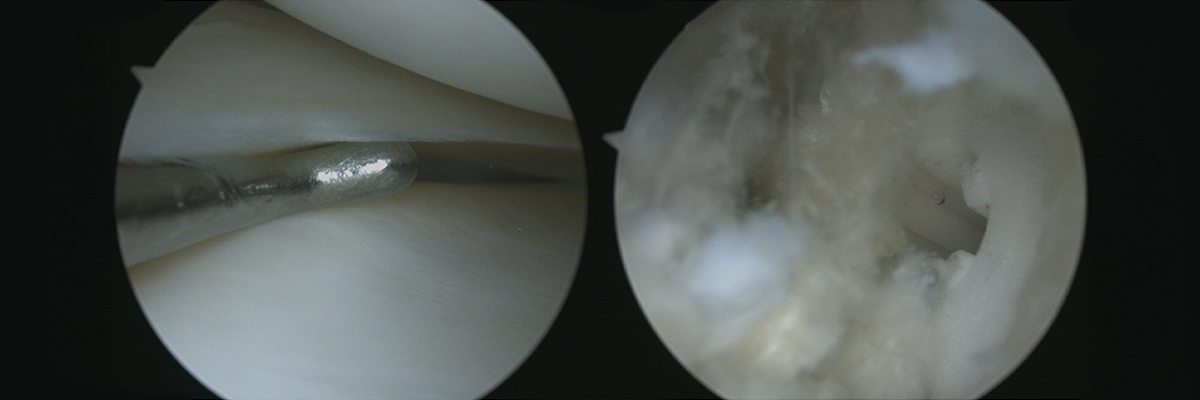
Most sports-related joint injuries are treated using arthroscopic (keyhole) surgery, where miniature instruments and a camera are inserted through small incisions to repair or reconstruct the damaged structures.
6. Faster Recovery with Minimally Invasive Techniques
Since arthroscopic surgery uses small incisions, it causes less tissue damage, reduced pain, and enables quicker recovery and shorter hospital stays compared to open surgery.
7. Bioabsorbable Implants Are Commonly Used
The implants used during repair—such as screws, anchors, or sutures—are often bioabsorbable, which means they naturally dissolve over time and do not require removal surgery
8. Rehabilitation Ensures Safe Return to Sports
With proper post-operative Physiotherapy and rehabilitation, most Patients can safely return to sports and physical activities, often with improved joint strength and mobility.