Revision Hip Replacement
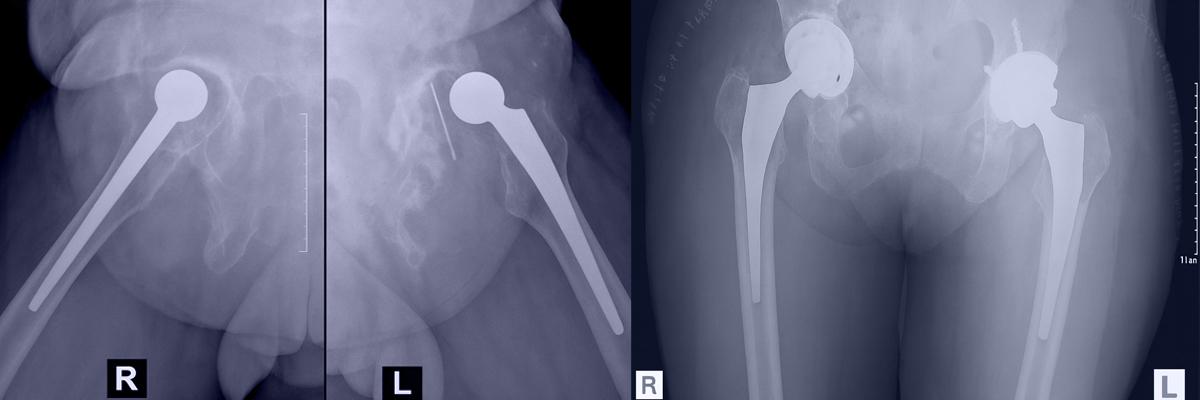
Critical Insights into Second-Time Hip Replacement Surgery
8 Key Facts About Revision Hip Replacement
1. Removing and Replacing the Old Hip Implant
Revision Hip Replacement involves removing a previously implanted artificial hip joint and replacing it with a new, customised implant to restore joint function and reduce pain or instability.
2. Common Reasons for Revision Hip Surgery
Typical indications for revision include aseptic loosening, deep infection, hip joint instability, recurrent dislocation, implant fracture, or fractures around the prosthesis.
3. Bone Loss and Muscle Damage Are Considerations
During revision, some bone loss may occur in the acetabular region and proximal femur. In many cases, the abductor muscle mechanism is also compromised. Implant selection—including cup design, liner, stem length, head size, and bearing surface—is tailored based on these structural changes.
4. Two-Stage Surgery in Infected Hip Cases
In infected hip replacements, a two-stage revision is performed. The first stage includes removing the infected prosthesis, cleaning the area, and inserting an antibiotic-loaded cement spacer or temporary prosthesis. After 6–8 weeks, a second surgery is performed to insert the new definitive implant.
5. A Wide Range of Implants Must Be Ready
Revision hip surgery often requires a spectrum of implants and tools such as long stems, acetabular augments, cemented stems, cables, and specialised reconstruction components—prepared in advance for intraoperative flexibility.
6. Single-Stage Revision Possible for Non-Infectious Cases
In non-infectious situations, a single-stage revision can be safely performed, allowing for quicker rehabilitation and fewer surgical risks compared to two-stage procedures.
7. Patient Optimisation Is Essential
Due to the longer surgical duration and complexity, Patients must be medically optimised before surgery to reduce complications and support successful recovery.
8. Requires Detailed Planning and Skilled Execution
Revision Hip Replacement demands thorough preoperative planning, skilled teamwork, and patience. It is a complex Orthopaedic procedure best handled by experienced joint replacement specialists in a well-equipped facility.