Primary Hip Replacement
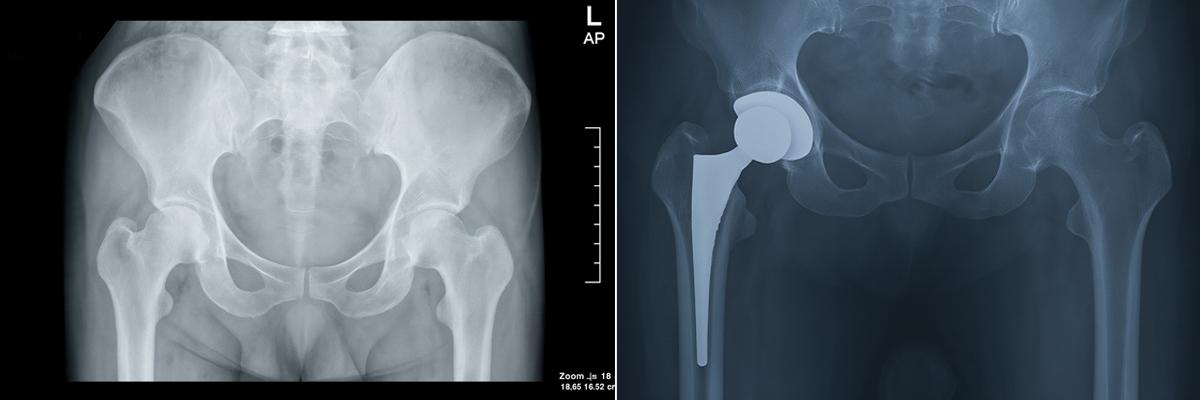
Everything You Should Know About Hip Joint Replacement Surgery
8 Key Facts About Primary Hip Replacement
1. Resurfacing the Damaged Hip Joint
Primary Hip Replacement involves removing the worn-out cartilage and resurfacing the hip joint with high-quality metal, ceramic, or polyethylene implants, helping restore smooth joint function and relieve chronic pain.
2. Indicated for Persistent Hip Pain
The most common reason for undergoing Hip Replacement is severe hip pain due to damaged cartilage that does not respond to medications or Physiotherapy. The procedure offers long-term relief when conservative treatments fail.
3. Significant Improvement in Quality of Life
Post-surgery, Patients typically experience improved mobility, independence, and a pain-free lifestyle, allowing them to return to normal routines quickly and confidently.
4. Advanced Bearing Surface Materials
The bearing surfaces used in hip implants include polyethylene, ceramic, and metal, selected based on durability, friction reduction, and compatibility with the body.
5. Cemented, Uncemented & Hybrid Fixation Options
Hip implants can be fixed using uncemented (press-fit), cemented, or hybrid fixation techniques, depending on the Patient’s age, bone quality, and local joint condition.
6. Common Causes: Osteoarthritis, AVN & Hip Fractures
The most frequent reasons for Hip Replacement surgery include osteoarthritis, rheumatoid arthritis, avascular necrosis (AVN), and fractures of the proximal femur.
7. High Success Rate & Longevity
Primary Hip Replacement boasts a success rate of over 98%, with most implants lasting between 10 and 15 years, offering long-term relief and function.
8. Immediate and Dramatic Post-Surgical Results
One of the most rewarding aspects of this surgery is its immediate impact—Patients often notice a dramatic improvement in pain and mobility shortly after the procedure.