Primary Knee Replacement
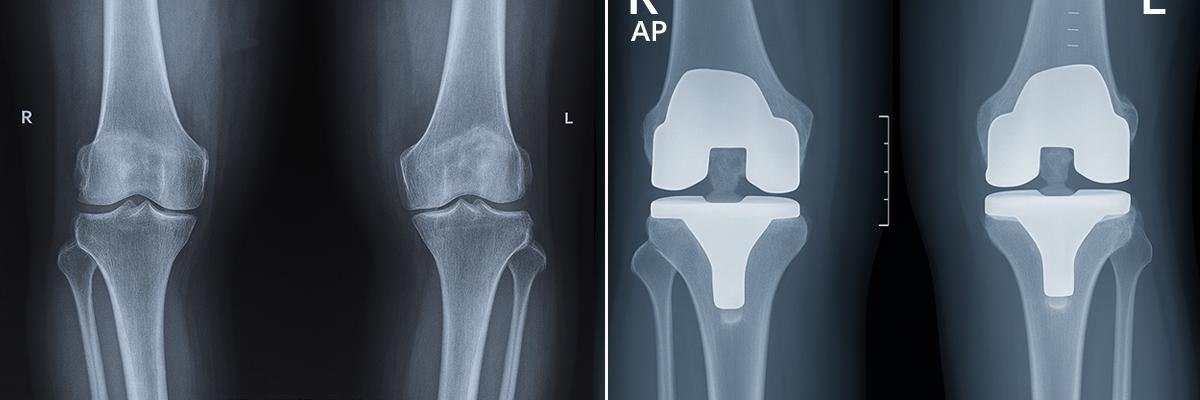
Understand the Procedure, Benefits & Modern Techniques
8 Key Facts About Primary Knee Replacement
1. Joint Resurfacing with Advanced Materials
Primary Knee Replacement involves resurfacing the damaged cartilage in the knee joint. The worn-out surface is replaced with high-quality metal, ceramic, or polyethylene implants for smooth movement and pain relief.
2. Indicated for Severe Knee Pain
The procedure is recommended for individuals with chronic knee pain and limited mobility caused by damaged cartilage, especially when medications and Physiotherapy no longer offer relief.
3. Improved Quality of Life Post-Surgery
Knee Replacement helps Patients regain independence, mobility, and a pain-free lifestyle, allowing them to return to daily activities with greater ease and comfort.
4. Common Causes: Osteoarthritis & Rheumatoid Arthritis
Osteoarthritis and rheumatoid arthritis are the leading causes of cartilage damage that may require Total Knee Replacement for long-term pain management.
5. Durable Implant Materials Used
The implants used are made of Cobalt Chrome, Titanium, Oxinium, and Medical-Grade Polyethylene, all designed for biocompatibility and long-lasting performance.
6. Types of Knee Implants Based on Damage
Depending on the extent of cartilage and ligament damage, Surgeons choose between unconstrained, semi-constrained, or fully constrained knee implants to provide optimal stability and function.
7. Long Life Span with Low Complication Rate
Modern knee implants typically last 15–20 years, and the procedure has a low complication rate of less than 1%, making it a safe and effective long-term solution for joint degeneration.
8. Multiple Surgical Techniques Available
Primary Knee Replacement can be performed using jigs (gold standard), or with computer navigation or robotic assistance. While newer techniques offer precision, they also come with a steeper learning curve for Surgeons.