Understanding Primary Knee Replacement Surgery
What It Is, Why It’s Done, and How It Helps Improve Mobility
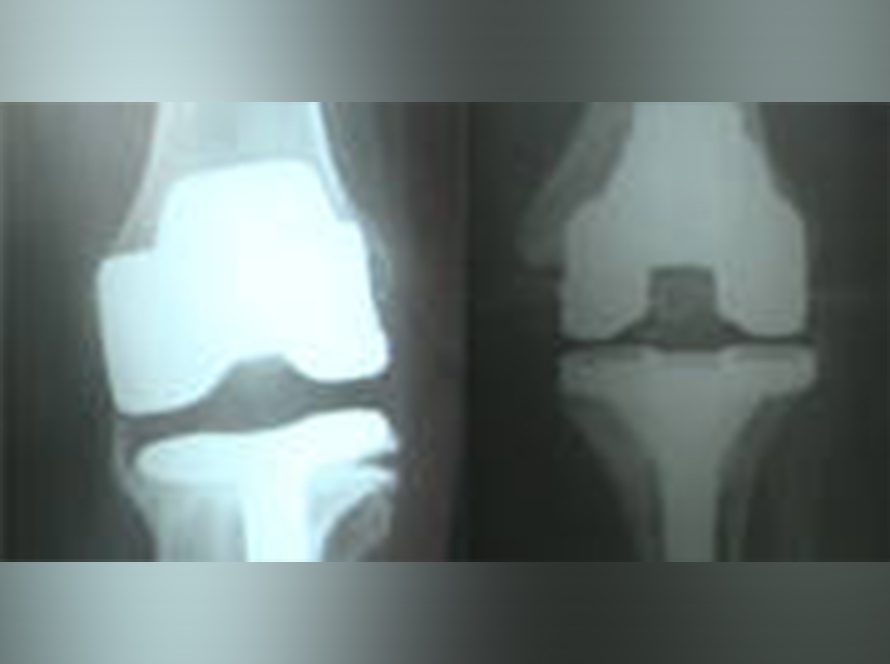
Primary knee replacement, also known as total knee arthroplasty, is a procedure that involves resurfacing the damaged knee joint. In this surgery, worn-out cartilage and bone surfaces are carefully removed and replaced with smooth, artificial implants made of metal, ceramic, or high-grade polyethylene materials.
The main indication for knee replacement surgery is severe knee pain and stiffness caused by damaged cartilage, especially when medications and physiotherapy fail to provide relief.
By replacing the damaged joint surfaces, this procedure significantly improves mobility, restores joint function, and enhances overall quality of life, helping patients regain independence and a pain-free lifestyle.
The most common causes of knee replacement are osteoarthritis and rheumatoid arthritis, which lead to progressive cartilage wear and joint deformity.
Knee implants are typically made of Cobalt-Chrome, Titanium, Oxinium, and Polyethylene, selected for their durability, strength, and biocompatibility.
Depending on the extent of cartilage loss and ligament stability, surgeons may use different implant designs:
-
Unconstrained (Cruciate-Retaining) Knees
-
Semi-Constrained (Posterior-Stabilised) Knees
-
Fully Constrained (Hinged) Knees for more complex cases
The average lifespan of modern knee implants ranges between 15 and 20 years, with a complication rate of less than 1% when performed by skilled orthopaedic surgeons.
There are several surgical techniques available:
-
Manual method (Gold Standard)
-
Computer-assisted Navigation
-
Robotic-assisted Knee Replacement
While navigation and robotic methods offer advanced precision, they require a steeper learning curve and are generally used in select cases.